
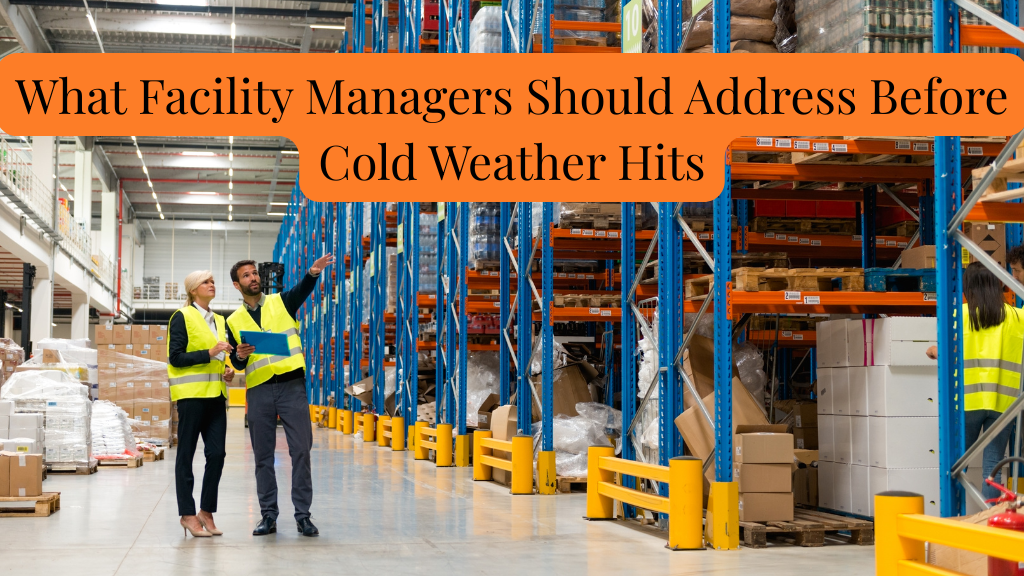
For facility managers, winter doesn’t just test comfort—it tests planning, reliability, and readiness. Once cold weather sets in, HVAC systems move from background infrastructure to mission-critical equipment almost overnight.
Fall is the last calm window to address issues before winter demand exposes weaknesses. Taking action now can help prevent downtime, complaints, and costly emergency repairs when temperatures drop.
Why Fall Is a Critical Planning Season for Facilities
Commercial heating systems often support:
- Large square footage
- Multiple zones
- Varying occupancy levels
- Heat-generating equipment
- Long daily operating hours
When winter arrives, there’s little margin for error. Fall preparation allows facility managers to stay proactive instead of reactive.
- Review System Performance, Not Just System Age
A heating system doesn’t need to be old to cause problems. Even newer systems can struggle if airflow, controls, or maintenance have been overlooked.
Before winter, facility managers should assess:
- How consistently the building heats
- Whether certain zones lag behind
- How often the system cycles
- Past service or repair trends
Performance matters more than the nameplate date.
- Address Airflow and Zoning Issues Early
Uneven heating complaints often increase as winter approaches. These issues are frequently tied to airflow or zoning problems that worsen under heavier demand.
Common causes include:
- Changes in space usage
- Blocked or imbalanced ductwork
- Inadequate return air
- Zoning controls not functioning as intended
Fall is the ideal time to correct these issues before they affect daily operations.
- Test Controls, Sensors, and Thermostats
Commercial heating systems rely heavily on controls and automation. If those controls aren’t accurate, comfort and efficiency suffer.
Before cold weather hits, it’s important to verify:
- Thermostats read accurately
- Sensors respond correctly
- Scheduling matches occupancy needs
- Zones operate independently as designed
Small control issues can cause big comfort complaints once heating demand increases.
- Review Maintenance History and Service Gaps
If maintenance has been delayed or inconsistent, winter will expose it.
Facility managers should review:
- When the system was last serviced
- Any recurring repair issues
- Components nearing end of life
- Maintenance tasks that were postponed
Catching up on maintenance in fall is far easier than dealing with breakdowns during peak winter demand.
- Prepare for Reliability, Not Just Comfort
In commercial environments, heating reliability affects more than comfort. It can impact:
- Employee productivity
- Customer experience
- Equipment performance
- Business continuity
Planning ahead helps reduce the risk of unexpected downtime during the coldest months.
Partnering With the Right HVAC Team Matters
Commercial HVAC systems require experience, planning, and a whole-system approach.
Serving full commercial facilities throughout Brooklyn Park and the Twin Cities, Marsh Heating & Air Conditioning helps facility managers identify risks early and prepare systems for winter with a focus on reliability, efficiency, and long-term performance.
The Bottom Line
Fall is the last opportunity to prepare commercial heating systems before winter places them under constant demand. Addressing performance, airflow, controls, and maintenance now helps protect comfort, operations, and budgets throughout the season.
Proactive planning today prevents reactive emergencies tomorrow.