Why Does My Furnace Keep Tripping the Breaker in Robbinsdale?
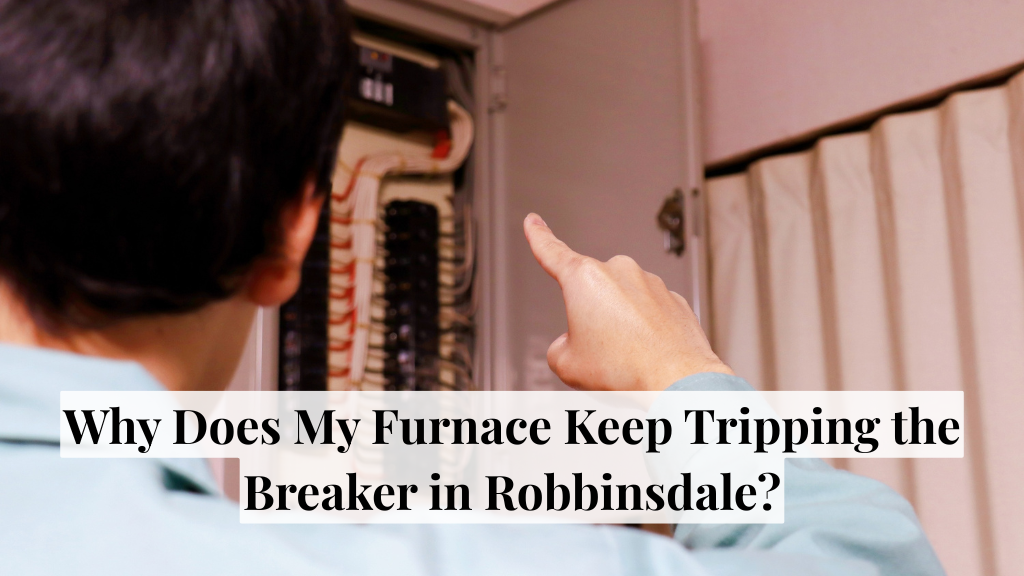
If your furnace in Robbinsdale keeps tripping the circuit breaker, it’s not just an inconvenience — it’s a warning sign.
Circuit breakers are designed to shut off power when electrical demand exceeds safe limits. When a furnace repeatedly trips the breaker, something inside the system is drawing too much current or creating a short.
At Marsh Heating & Air Conditioning, we’ve diagnosed heating system electrical issues since 1974. Here are the most common causes.
- Blower Motor Overload
The blower motor circulates air through your ductwork.
If the motor:
- Is aging
- Has worn bearings
- Is struggling against restricted airflow
- Is overheating
It may draw excessive amperage and trip the breaker.
In Robbinsdale homes with older duct systems or dirty filters, airflow restriction is a frequent contributor.
Replacing the air filter is a safe first step.
- Dirty or Restricted Airflow
Restricted airflow causes the system to:
- Overheat internally
- Increase motor strain
- Work harder to push air
- Draw higher electrical load
Check:
- Air filter
- Closed supply vents
- Blocked return vents
If airflow is severely restricted, the breaker may trip repeatedly.
- Short Circuit or Wiring Issue
Electrical wiring problems inside the furnace can cause:
- Immediate breaker trips upon startup
- Intermittent tripping
- Burning smell
Loose wires, damaged insulation, or worn components may create a short circuit.
This requires professional repair.
- Failing Capacitor
The capacitor helps start and run the blower motor.
When it begins to fail:
- The motor struggles to start
- Electrical demand increases
- Breaker may trip
Capacitor failure is common in systems over 10–15 years old.
- Transformer Problems
Furnaces contain low-voltage transformers.
If the transformer fails:
- Electrical imbalance occurs
- Control board may malfunction
- Breaker may trip
This is a technical repair requiring professional diagnosis.
- Control Board Malfunction
The furnace control board manages system sequencing.
If it becomes damaged:
- Electrical irregularities may occur
- Components may draw uneven power
- Breaker tripping may follow
Older furnaces are more susceptible to control board failure.
- Aging Furnace Components
If your furnace is:
- 15–20 years old
- Requiring frequent repairs
- Experiencing electrical problems
Electrical strain may indicate systemic aging.
Repeated breaker trips in older systems sometimes signal it’s time for replacement planning.
What You Should Do Immediately
If your furnace trips the breaker:
- Reset it once.
- If it trips again, stop resetting.
- Replace the air filter if dirty.
- Turn the system off until service arrives.
Repeated resets can damage electrical components further.
When to Call for Professional Service
Contact a technician if:
- The breaker trips immediately after reset
- The system hums but does not start
- You smell burning
- The furnace is older than 15 years
- Tripping happens frequently
Electrical issues should never be ignored during winter.
Why Electrical Issues Should Be Addressed Quickly
Breaker trips indicate protection mode.
Ignoring the problem can lead to:
- Blower motor failure
- Electrical damage
- Overheated wiring
- Complete system shutdown during extreme cold
Early repair prevents larger failures.
Frequently Asked Questions
Is it safe to keep resetting the breaker?
No. If it trips more than once, stop and schedule service.
Can a dirty filter really trip the breaker?
Yes. Restricted airflow increases motor strain and electrical load.
Does this mean my furnace needs replacement?
Not always. Diagnosis determines whether repair or replacement is appropriate.
Are breaker issues common in older homes?
Older electrical panels and aging HVAC systems increase risk.
Furnace Repair Expertise in Robbinsdale Since 1974
Electrical problems require structured diagnosis — not guesswork.
Marsh Heating & Air Conditioning has provided furnace repair in Robbinsdale since 1974 with a technical, safety-focused approach.
If your furnace keeps tripping the breaker, call 763.536.0667 for professional evaluation.
Addressing electrical strain early protects your heating system and your home.