
What Commercial Property Managers in Robbinsdale Should Look for in an HVAC Partner
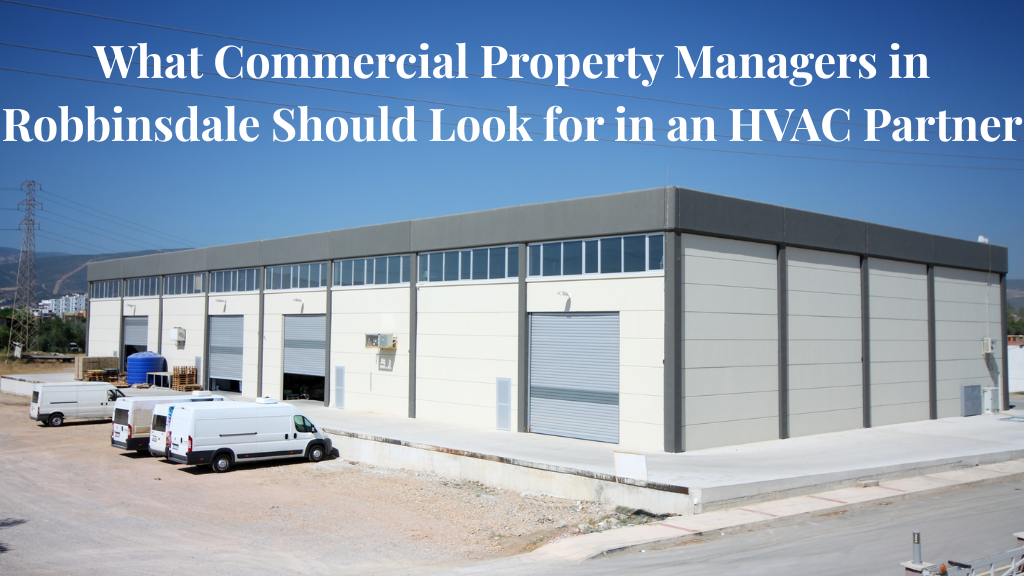
For commercial buildings in Robbinsdale, HVAC performance is not just about comfort — it’s about uptime, tenant satisfaction, operating costs, and risk management.
Office buildings, retail spaces, light industrial facilities, and multi-tenant properties all depend on reliable heating and cooling systems. When those systems fail, the consequences extend beyond discomfort.
At Marsh Heating & Air Conditioning, we’ve supported commercial properties throughout Robbinsdale since 1974. Over decades of service, one thing is clear:
The right HVAC partner reduces long-term risk. The wrong one increases it.
Here’s what property managers should evaluate.
- Experience With Commercial Systems — Not Just Residential
Commercial HVAC is fundamentally different from residential systems.
Commercial properties often rely on:
- Rooftop units (RTUs)
- Split systems
- Make-up air systems
- Commercial boilers
- Zoned multi-tenant configurations
These systems require technical expertise in:
- Airflow engineering
- Load management
- Code compliance
- Electrical integration
- Preventative maintenance scheduling
A contractor who primarily installs residential furnaces may not have the infrastructure or diagnostic tools required for commercial environments.
- Rooftop Unit (RTU) Expertise
Rooftop units are common across Robbinsdale commercial buildings.
RTUs must withstand:
- Severe winter temperatures
- High wind exposure
- Snow accumulation
- Seasonal temperature swings
Common issues we address include:
- Compressor wear
- Economizer failures
- Refrigerant charge imbalance
- Drainage issues
- Heat exchanger fatigue
Proper RTU maintenance significantly reduces unexpected downtime.
- Preventative Maintenance Programs That Are Structured — Not Reactive
Reactive HVAC service is expensive.
Commercial maintenance plans should include:
- Scheduled seasonal inspections
- Filter replacement schedules
- Combustion testing
- Electrical connection checks
- Refrigerant level verification
- Economizer operation testing
Well-maintained equipment:
- Lasts longer
- Operates more efficiently
- Reduces emergency service calls
- Minimizes tenant complaints
Since 1974, Marsh Heating has emphasized preventative maintenance as a cost-control strategy — not just a service add-on.
- Clear Communication and Documentation
Property managers require:
- Service reports
- Equipment condition documentation
- Budget planning forecasts
- Repair vs. replace evaluations
- Capital improvement projections
An HVAC partner should provide data-driven recommendations — not vague suggestions.
This allows long-term budgeting and operational planning.
- Code Compliance & System Sizing Knowledge
Commercial HVAC systems must comply with:
- Minnesota mechanical codes
- Ventilation standards
- Combustion safety regulations
- Efficiency requirements
Improper sizing in commercial buildings leads to:
- Short cycling
- Inconsistent tenant comfort
- Increased utility costs
- Premature equipment failure
Marsh Heating performs load calculations and system evaluations to ensure installations meet performance and code standards.
- Emergency Response Capabilities
In commercial environments, HVAC failure may impact:
- Employee productivity
- Retail traffic
- Inventory protection
- Tenant retention
An established HVAC contractor must have:
- Experienced technicians
- Diagnostic equipment
- Parts sourcing capability
- Scheduling flexibility
A company operating since 1974 brings infrastructure and long-term operational stability.
When Is It Time to Replace Commercial Equipment?
Property managers in Robbinsdale should evaluate replacement if systems:
- Are 15–20 years old
- Require frequent compressor repairs
- Struggle during peak load
- Show declining efficiency
- Have recurring refrigerant issues
Planned replacement is always preferable to emergency replacement.
Strategic capital planning avoids business disruption.
Frequently Asked Questions
How often should commercial HVAC systems be serviced?
Typically, twice per year — before heating and cooling seasons. High-demand facilities may require quarterly inspections.
Are rooftop units expensive to replace?
Costs vary based on size and configuration. However, planned replacement allows competitive bidding and scheduling flexibility.
Can preventative maintenance really reduce downtime?
Yes. Routine inspections catch minor issues before they become system failures.
Do you service multi-tenant properties?
Yes. We work with property managers overseeing office, retail, and light industrial facilities.
Commercial HVAC Expertise in Robbinsdale Since 1974
Commercial HVAC systems require precision, planning, and accountability.
Marsh Heating & Air Conditioning has supported Robbinsdale commercial properties since 1974 with engineered heating and cooling solutions.
If you’re evaluating your current HVAC partner or reviewing maintenance plans, contact our commercial team at 763.536.0667.
Long-term reliability starts with structured maintenance and experienced oversight.