
Winter Air Is Dry—Here’s Why Your Home Feels Uncomfortable (And How to Fix It)
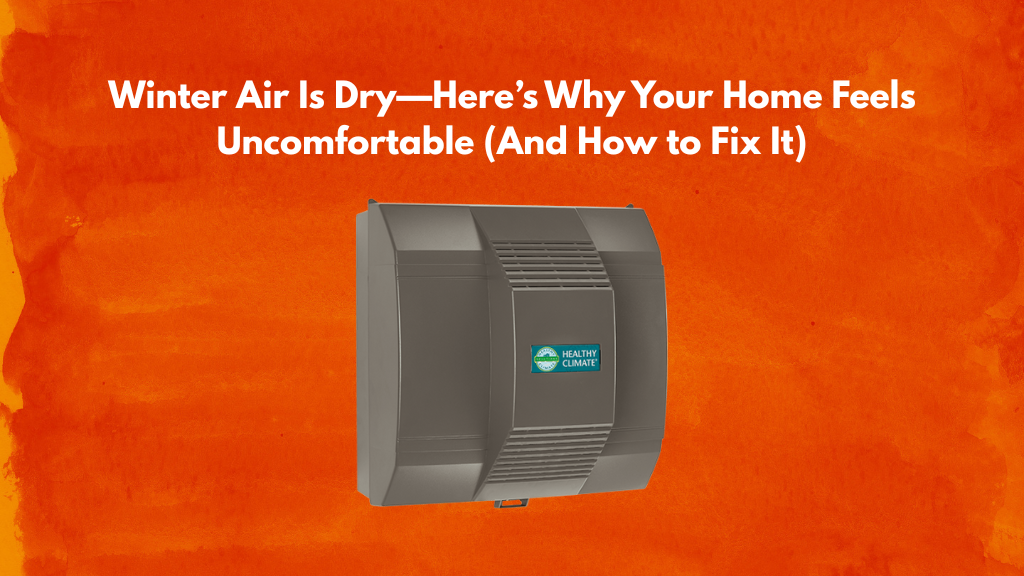
If your skin feels dry, your throat feels scratchy, and static shocks seem to follow you around your home every winter, you’re not imagining it. Cold weather and indoor heating combine to create extremely dry indoor air—one of the most common comfort complaints among homeowners in the Brooklyn Park and Twin Cities area.
Dry air doesn’t just feel uncomfortable. Over time, it can affect your health, your home, and even how hard your heating system has to work.
Understanding why winter air becomes so dry—and what you can do about it—can make a noticeable difference in how your home or building feels all season long.
Why Winter Air Is Naturally Dry
Cold outdoor air holds much less moisture than warm air. When that cold air enters your home—through doors, windows, and small leaks—it gets heated without gaining any humidity.
The result?
- Warm air with very low moisture content
- Dry indoor conditions that worsen as temperatures drop
The harder your heating system runs, the drier the air often becomes.
Common Signs of Dry Indoor Air
Many people don’t realize dry air is the root of their discomfort. Common symptoms include:
- Dry or itchy skin
- Chapped lips
- Dry nasal passages or sore throats
- Increased static electricity
- Poor sleep quality
Beyond personal comfort, dry air can also affect:
- Wood floors and furniture (cracking or shrinking)
- Musical instruments
- Office equipment and electronics in commercial spaces
How Dry Air Affects Heating Comfort
Dry air actually makes your home feel colder than it really is. When humidity levels are low, heat evaporates from your skin more quickly, causing rooms to feel chilly—even when the thermostat says otherwise.
This often leads people to:
- Turn the thermostat higher
- Run the furnace longer
- Experience higher energy bills
In reality, improving humidity levels can make your home feel warmer without increasing temperature settings.
Why Portable Humidifiers Often Fall Short
Many homeowners try tabletop or room humidifiers first. While these can help small areas, they come with limitations:
- Constant refilling
- Limited coverage
- Inconsistent humidity levels
- Ongoing maintenance
For whole-home or larger commercial spaces, portable units usually aren’t enough to make a lasting difference.
Whole-Home Humidity Solutions Make a Big Difference
Whole-home humidifiers work directly with your HVAC system to distribute moisture evenly throughout the space.
Benefits often include:
- Improved comfort at lower thermostat settings
- Reduced static electricity
- Healthier indoor air
- Protection for wood surfaces and furnishings
Because these systems work with your existing ductwork, they provide consistent results across the entire home or building.
Professional Evaluation Matters
Humidity issues are rarely one-size-fits-all. The right solution depends on:
- Home or building size
- Heating system type
- Existing airflow and duct design
- Current indoor humidity levels
Serving residential and full commercial properties across Brooklyn Park and the Twin Cities, Marsh Heating & Air Conditioning evaluates the entire HVAC system to determine whether humidity improvements will deliver meaningful results.
Better Humidity Can Improve Energy Efficiency
Maintaining balanced humidity doesn’t just improve comfort—it can help reduce energy use.
When humidity levels are optimized:
- Homes feel warmer at lower temperatures
- Furnaces don’t have to work as hard
- Temperature swings feel less dramatic
This can translate into improved efficiency and reduced wear on heating systems during long winters.
The Lennox HCWP18 Whole-Home Power Humidifier is one product we often recommend for maintaining balanced indoor humidity during dry winter months. It delivers consistent, efficient moisture throughout the home, improving comfort and helping reduce common dry-air issues like static, irritated sinuses, and dry skin while working seamlessly with your HVAC system.
Don’t Accept Dry, Uncomfortable Winter Air
Dry indoor air is one of the most overlooked comfort problems during winter, but it’s also one of the most fixable. With the right approach, homeowners and businesses can enjoy warmer, healthier indoor environments without constantly adjusting the thermostat. We