How Lighting, Layout, and Airflow Affect How Your Home Feels
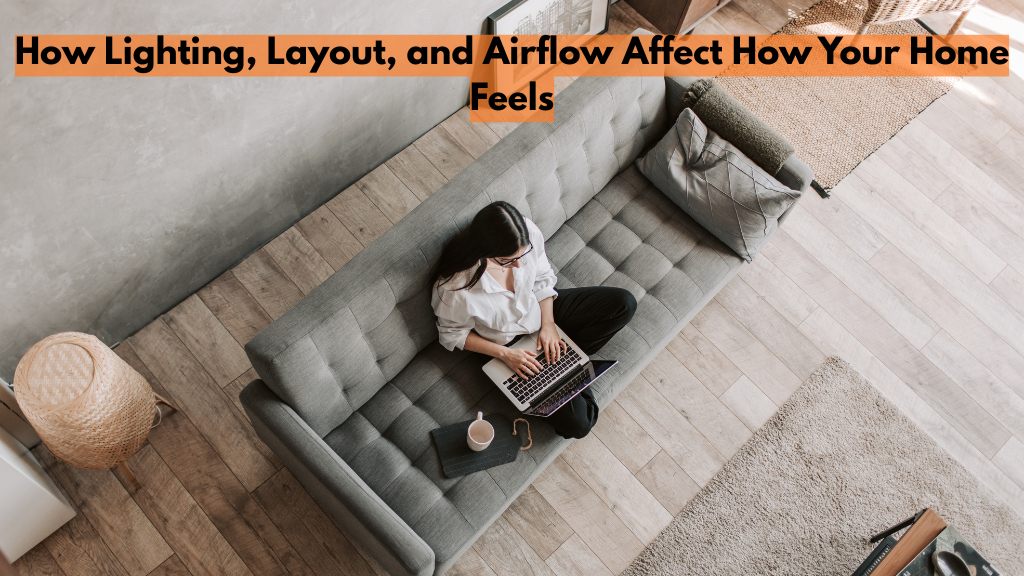
Have you ever walked into a room and immediately felt comfortable—without knowing exactly why? That feeling usually isn’t accidental. It’s often the result of lighting, layout, and airflow working together in subtle ways.
These elements quietly shape how a space feels throughout the day, even when the temperature stays the same.
Lighting Sets the Emotional Tone of a Space
Lighting doesn’t just help you see—it affects mood and comfort.
Rooms tend to feel more comfortable when:
- Natural light is balanced, not harsh
- Artificial lighting matches the time of day
- Light sources are layered instead of relying on one overhead fixture
Bright, cool light can energize a space, while warm, softer light helps rooms feel calm and inviting. Homes that adjust lighting throughout the day often feel more comfortable without any physical changes at all.
Layout Influences How a Room “Breathes”
The way furniture and pathways are arranged affects how open or closed a room feels.
A room may feel uncomfortable if:
- Furniture blocks natural movement
- Walkways feel tight or cluttered
- Large pieces dominate the space
When layout supports easy movement, rooms tend to feel lighter and more relaxed. Even small changes—like angling a chair or opening up a walkway—can improve how a space feels immediately.
Airflow Shapes Comfort More Than You Notice
Airflow is one of the most overlooked comfort factors. Rooms with gentle, consistent air movement often feel fresher and more comfortable than rooms where air feels stagnant.
Simple ways airflow affects comfort:
- Moving air prevents stuffiness
- Even circulation reduces “heavy” feeling rooms
- Gentle movement helps balance temperature perception
Keeping vents unobstructed, using ceiling fans thoughtfully, and allowing air to circulate between rooms can dramatically improve how a home feels.
How These Three Elements Work Together
Lighting, layout, and airflow don’t work independently—they influence each other.
For example:
- A well-lit room feels more open when layout supports flow
- Good airflow feels more noticeable in uncluttered spaces
- Balanced lighting enhances the sense of freshness in a room
When these elements align, comfort feels effortless.
Seasonal Changes Make These Factors More Noticeable
As seasons change, so do daylight hours, air movement, and how rooms are used.
- Winter highlights lighting and airflow challenges
- Summer emphasizes layout and circulation
- Spring and fall reveal how adaptable a space really is
Making small seasonal adjustments helps maintain comfort year-round.
Experience Brings a Bigger Picture
After decades of working in homes throughout the area, Marsh Heating & Air Conditioning has seen how non-technical factors often play a big role in overall comfort. Many comfort concerns improve simply by helping homeowners understand how their space interacts with light, movement, and air.
The Bottom Line
Comfort isn’t created by one element alone. Lighting sets the mood, layout supports movement, and airflow keeps a space feeling fresh. When these factors work together, homes feel more welcoming, balanced, and enjoyable to live in.
Paying attention to these details can transform how your home feels—without changing a single setting.